Table Of Content
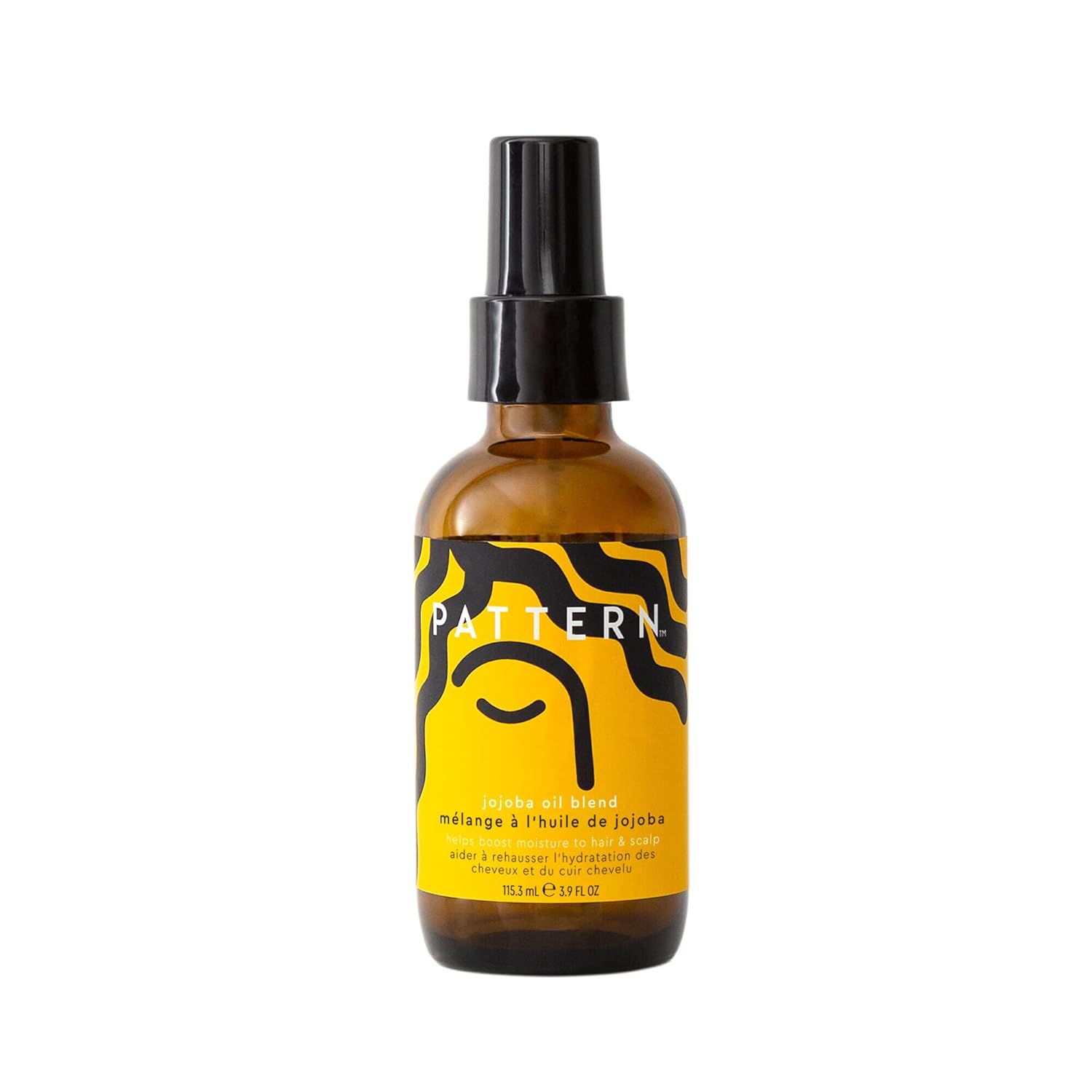
Jojoba Oil is extracted from the seeds of the Jojobaplant that is mostly found in North American. This Oil is a favorite to thenatural hair community because it is easily absorbed and it is very similar tothe natural hair oil, Sebum. Understanding hair porosity is crucial for devising an effective hair care regimen. Some top recommended oils for low porosity hair include Argan oil, Jojoba oil, Sweet almond oil, Grapeseed oil, Amla oil, and Baobab oil. The high vitamin E content also serves as a free radical scavenger, fortifying strands against environmental damage. Massaged into the scalp, mustard oil’s thick, lubricating texture stimulates blood circulation to the roots while moisturizing dry, rough skin.
Moisture
In this discussion, we'll touch on the best oils for low porosity hair, how to test for oil absorption, and how to avoid heavy oils altogether. A few years ago, I was surprised to learn that coconut oil doesn’t work for everyone. This was when I learned that different types of oils work for different types of hair porosity. Since my hair strands are not really porous, I quickly familiarized myself with some of the light oils for low porosity hair that I should have been using.
Is it necessary to use a leave-in conditioner in addition to lightweight oils for low porosity hair?
It is one of the most recommended hair oils for low-porosity hair as it contains rosemary which is a blessing in disguise for treating tissue damage and scalp inflammation (2). So if you are looking for a soothing ingredient to include in your hair care regime, this product is the perfect choice. Hair oil is one of the usual sources of nourishment that tends to prevent loss of moisture from the hair follicles – it maintains the water level within the keratinous cells of the hair shafts. However, with low-porosity hair, the assimilation of nutrients remains a hindrance hence the implementation of the best oils for low-porosity hair into one's hair care regime is a must. Besides, hair with low porosity has its cuticle layer loosely packed, with small pockets that allow moisture to pass into each strand, preventing dryness. Low porosity hair has tightly closed cuticles that make it difficult for moisture to penetrate, which can lead to dryness and breakage.
The Ordinary 100% Organic Cold-Pressed Moroccan Argan Oil
The fact that low-porosity hair doesn’t absorb moisture well is the main reason you should incorporate hair oils into your routine. Safflower Oil has a light and non-greasy texture, making it well-suited for low porosity hair that may struggle to absorb heavier oils. This Oil stimulates blood flow and thus promotesnutrient supply to the hair follicles. In addition to increased blood flow,this Oil promotes hair growth as it supplies punicic acid, vitamin C, linoleicacid, flavonoids, and oleic acid. Due to their high concentrations, essential oils must be diluted with carrier oils. Grapeseed oil is derived from the pressed seeds of grapes (Vitis vinifera) and is used for various culinary and cosmetic purposes.
Can rosemary oil effectively penetrate low porosity hair?
10 Best High-porosity Hair Products That Experts Recommend PINKVILLA - PINKVILLA
10 Best High-porosity Hair Products That Experts Recommend PINKVILLA.
Posted: Wed, 13 Mar 2024 07:00:00 GMT [source]
Over time, this can result in reduced volume, decreased shine, and a feeling of heaviness. For those with low porosity hair, it’s essential to be cautious with castor oil and opt for lighter alternatives that align better with the hair’s unique structure and needs. Heat is commonly used by individuals with low porosity hair to help absorb hair treatments, conditioners, and oils. When heat is applied through a hair dryer, a steam treatment, or a heated cap, the cuticles of the hair shaft lift slightly, allowing products to enter more effectively. You can also find hair growth serums that contain active ingredients that have been FDA-approved to promote hair growth, like minoxidil. Before you choose your oil based on big promises and the prettiness of the bottle (we've all been there), consider your hair goals when you pick your new product.
Unlike other oils pressed from seeds or kernels, monoi oil is made by infusing Tiare flowers, an exotic gardenia originating from Tahiti, in pressed coconut oil. If you mix your own scalp massage oil, include baobab oil in the recipe as well. Apart from swimming, argan oil protects hair from other environmental elements like UV rays, wind, etc.
Oh and using oils sparingly is key, as too much can lead to product buildup on the hair. SheaMoisture has long been a favorite among customers with curly hair, and with good reason. This conditioner is made with low porosity and curly hair in mind, boasting a weightless formula without any added proteins. It also includes ingredients like grapeseed, sunflower seed oil, soybean oil, and jojoba oil for balanced, lightweight moisture that doesn’t leave any buildup. It also contains shea butter, which smoothes down frizz and nourishes hair damaged from breakage, pollution, styling, or heat tools.
People with low-porosity hair love argan oil because it’s lightweight and has small molecules that are able to get between the tight cuticles of their strands. If you’ve spent any time on natural hair blogs or watching natural hair care videos, chances are you’ve heard of jojoba oil. Apart from the fact that it’s easily absorbable, one reason this oil is a favorite for a lot of hair oil users is that it is very similar to the natural oils found in the hair. You’ll find argan oil listed as a key ingredient in countless products for hair and skin because of its powerful moisturizing properties. But we’ve also gathered some of the top products you can buy online if you’re looking for low-porosity hair oils to use for various purposes.
With diligent weekly use, mustard oil’s treasury of phytonutrients awakens lackluster, low porosity hair, bestowing strengthened strands and scalp vigor. For low porosity hair, rosemary oil can be particularly beneficial when blended with a suitable carrier oil (like jojoba oil). The essential oil can help enhance the absorption of the carrier oil, ensuring the hair receives the hydration it needs. Flaxseed oil, derived from the seeds of the Linum usitatissimum plant, is one of the richest plant-based sources of alpha-linolenic acid (ALA), an essential omega-3 fatty acid. When applied to hair, the ALA molecules arrange themselves in a way that allows them to adhere to the hair shaft and form a thin film around each strand. This film is occlusive, meaning it coats the hair and creates a barrier to seal in moisture.
37 Best Curly Hair Products The Strategist - New York Magazine
37 Best Curly Hair Products The Strategist.
Posted: Wed, 02 Aug 2023 07:00:00 GMT [source]
"Lipids, which are found in fatty acid oils like avocado and shea, binds to the humectant filling open spaces created by the clarifying shampoo with moisture-binding ingredients." Hill explains that extremely low porosity hair requires a little alkalinity for best results. William Gaunitz, WTS, trichologist, and founder of Advanced Trichology concurs. "The best way to open the cuticle of a hair is to create an alkaline environment," he says. "Washing hair with alkaline shampoo could be a good option for getting moisture into the hair." This is where a clarifying or exfoliating shampoo comes in. "Ingredients in these shampoos open the cuticle to allow for moisture to enter and break down the protein structures," says Hill.
It's "a process of infusing your hair with natural oils to restore luster and hydrate hair," says dermatologist Candace Spann, MD. Low porosity hair is not inherently unhealthy but requires special care due to its unique structure. With the right products and techniques, low-porosity hair can be healthy and beautiful. Try diluting your conditioner with a small amount of water when you apply it to your hair.
Light oils work for low porosity hair (unlike heavy-weighted oils) because they are easy to absorb. This happens because the cuticles of your hair are very tight and don’t allow for easy absorption of moisture. The easiest test to determine your hair porosity is to take a few clean strands of your hair and put them in a glass of water. But if you can’t let go of coconut oil, you can use fractionated coconut oil for low-porosity hair. Its nourishing properties also bring back moisture to the follicles, which helps boost hair strength. By applying heat to this oil, you’ll get the most out of its scalp conditioning effects.
Thanks to its small molecular size and structure, avocado oil easily penetrates the hair shaft, providing deep hydration from within. This ability to address moisture resistance is a game-changer for low porosity hair, resulting in improved hair health and vitality. Lastly, the oil’s omega-6 fatty acids content contributes to promoting skin health and ensuring scalp well-being when applied topically. These fatty acids have important roles in cellular functions, which can lead to improvements in scalp health and hair growth. Sweet almond oil, emanating from the kernels of the Prunus dulcis tree, is frequently utilized in both skincare and haircare formulations due to its remarkable properties.
What we do know is that the oil has a laundry list of components, making it a great addition to any product stash for low-porosity hair. It’s got vitamin A, vitamin B, vitamin E, antioxidants, and much more to hydrate and protect your hair and scalp. As a result, many people with low-porosity hair struggle with split ends and breakage from lack of moisture. The answer to your hair woes could be hair oil–but not just any oil–one that can penetrate and hydrate your low-porosity strands. Usually, people with normal to high hair porosity have the liberty of using pretty much any type of hair oil they desire. Fractionated coconut can be used together with essential oils as a carrier oil since it’s very soluble.

Rosemary oil is a great natural remedy for many hair concerns, but it may not be the best choice for low porosity hair. This is because rosemary oil is a heavier oil that may not be able to penetrate the hair shaft as easily as lighter oils like argan oil or jojoba oil. As mentioned, you will need to mix your essential oils with a carrier oil.
PEG is most commonly known as plastic, so think about the damage it does as it coats the hair. An ingredient like isopropyl alcohol is highly stripping and not great for low porosity hair. A basic rule of thumb is that shampoo opens your cuticle, and the conditioner closes it. Unless you are color treating your hair, there is no reason to raise your cuticle completely. Place the container into shallow, boiling water, and leave it for a minute or two. The dead cells in the cuticle layer over each other to create a scaly surface.


No comments:
Post a Comment