Table Of Content

This texture results from the natural fatty acids in the oil extracted from pressing whole olives. Low porosity hair has tightly bound cuticles that resist moisture penetration. As a result, these oils can struggle to permeate these cuticles and may sit on the hair’s surface, leading to a greasy feel and heavy buildup.
Best for Dull Hair: Amika Water Sign Hydrating Hair Oil
When it comes to using essential oils in a hair type that is not very porous, for best results you want to combine the essential oil with a light weight carrier oil. Avoid using heavy oils because they will have no impact on the penetration of the cuticle for someone with low porosity hair. Low porosity hair has a cuticle layer that is tightly bound, making it more resistant to absorbing moisture, including oil. This type of hair often repels water and other substances, making it challenging for products like oils to penetrate and be absorbed easily.
Avocado + Kiwi Mega Moisture Superfood Hair Mask
Also, those with low porosity hair typically have very healthy hair while those with high porosity strands tend to have damaged hair. While this isn’t always the case, it’s quite common for someone to have high porosity hair due to chemical or mechanical damage. To use grapeseed oil in your low porosity hair regimen, apply as a sealing oil of course but it can also be mixed with sweet almond oil and used for a scalp massage. Because you may want to reapply products during the week and a heavy sealing oil might make this a challenge. In order to moisturize low porosity hair effectively, you need to raise the cuticles so products can work effectively then seal with lightweight oil.
UNITE Hair 7SECONDS Detangler Leave-In Conditioner
Overall, we would recommend giving this product a try if you’re looking for an oil to balance your hair’s porosity level. To keep low porosity hair healthy and moisturized, it’s essential to choose lighter hair oils that can effectively penetrate the cuticle and avoid heavier oils like these ones. As we've previously discussed, using lightweight oils can provide numerous benefits for your hair. Compared to heavy oils, lightweight oils are easier to absorb and won't leave a greasy residue on your hair. This is especially important for those with low porosity hair since it tends to repel moisture and products. So it’s not a commonly suggested product for hair types that are less porous because it doesn’t penetrate the hair shaft as good as lightweight oils.
The set includes a detangler that will leave your hair smooth and shiny, and it’s enriched with organic shea butter to protect your hair from damage. In this article, we spent hours researching and testing various hair oils to identify the best oil for low porosity hair. We will provide an in-depth analysis of each oil, including its benefits, drawbacks, and suitability for low porosity hair. By the end of this article, you will have a better understanding of which hair oil is best for your low porosity hair needs. In your search for essential oils for low porosity hair, you may have discovered others asking some related questions.

The oil from this tree has been proven to help increase the elasticity levels in your hair which helps with less breakage and more manageable hair. If you haven’t ever tried using grapeseed oil before I’m going to give you a few reasons why you should definitely give it a try. Another benefit to knowing your hair porosity is that you will be able to pick the right oils for your low porosity hair.
15 Products for Low Porosity Hair in 2024 - PureWow
15 Products for Low Porosity Hair in 2024.
Posted: Thu, 29 Feb 2024 08:00:00 GMT [source]
However, there’s a kind of coconut oil that may not be entirely bad for this type of hair, after all. But it’s worth repeating that jojoba oil is one of the top natural hydrators to moisturize your hair. The good news is there are many light oils that you can easily find online or in beauty supply stores. One of the main differences between light and heavy oils is the saturated fat content, which tends to be higher for the latter. Safflower Oil is extracted from the seeds of the safflower plant (Carthamus tinctorius), which is native to regions like the Middle East and parts of Asia.
In addition to the lightweight carrier oils, you can use vitamin E as a carrier oil as well. This is just one way that it’s beneficial to use essential oils in low porosity hair. With three times more vitamin A than carrots, sea-buckthorn seed oil strengthens hair and prevents breakage. This oil has the highest content of vitamin E similar to wheat germ oil.
Washing and drying takes longer
This means that too much protein would result in buildup, moisture retention issues, and a weighed-down look. But with so many hair products on the market that make such similar promises, how can one determine which products have the right consistency for use on low-porosity hair? I had Bailey to break down everything there is to know about shopping for this hair type, from what to look for, to what to avoid, to which products she swears by. Protein treatments can help reinforce and repair the hair's structure, minimizing breakage and promoting strength, according to Park. This is especially beneficial for low-porosity hair, which can be more prone to damage due to limited moisture intake, making strands brittle. "Low porosity [hair] is typically caused by genetics, while high porosity can result from environmental damage, excessive heat styling, or chemical treatments," she adds.
For example, coconut oil’s saturated fat content is between 80% to 90%. But it’s only around 10% for grapeseed oil, so it’s one of the widely used lightweight oils for hair and skin. The best oils for this hair type are lightweight, non-comedogenic, and rich in essential fatty acids. Such oils can penetrate the compact cuticles of low porosity hair, delivering and sealing in moisture.
It is an extremely light oil that easily penetrates through the hair with low porosity because it doesn’t sit on it. It contains a lot of vitamins such as Vitamin A, C, D, E, and F which are of great benefit to dry and brittle hair. One of the most outstanding benefits of pomegranate seed oil, when used on hair, is that it stimulates blood flow. This is why using light oils is the best option if you have low porosity hair. Oils like coconut oil, olive oil, and castor oil are not recommended for low porosity hair.
The Best Products For Low Porosity Hair: Shampoos, Masks & More - mindbodygreen
The Best Products For Low Porosity Hair: Shampoos, Masks & More.
Posted: Wed, 02 Aug 2023 07:00:00 GMT [source]
Picking the right oil is like choosing the perfect pair of shoes—what works wonders for one, might not for another. For the sink or float test, "You'll take a few strands of hair that have naturally shed from the scalp and fill a cup with room temperature water," Rullan explains. Clarifying shampoos are totally necessary for removing buildup from products, and this one is a solid pick, Grace says.
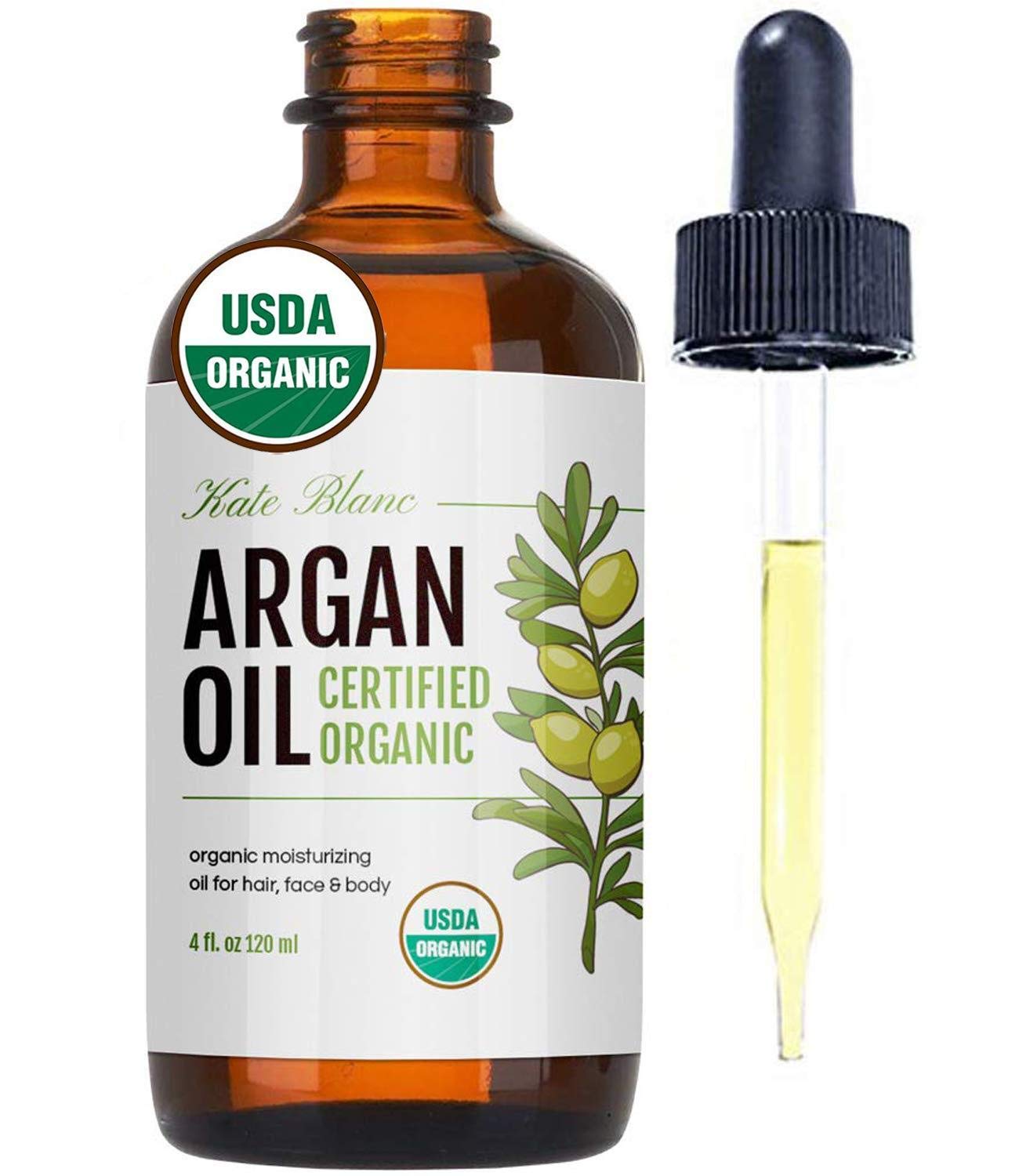
While argan oil is not the absolute lightest oil, its composition and middling molecular weight make it suitable for use in low porosity hair regimens. It can effectively penetrate tightly-packed cuticles to moisturize low porosity hair without leaving any residues that would otherwise make your hair greasy, thus requiring frequent washing. Often referred to as the “liquid gold of Morocco,” argan oil’s rich golden hue is surpassed only by its wealth of benefits. Its hydrating qualities are second to none, thanks to the high concentration of fatty acid and oleic acid. These acids are pivotal in maintaining the skin’s elasticity and ensuring moisture retention, making argan oil a go-to solution for moisturizing skin and hair. While many products do provide applicator nozzles that reach through the hair, some droppers aren’t as precise.
One of the biggest benefits of light oils is that they help to seal in moisture, which is essential for low porosity hair. This type of hair has tightly closed cuticles that make it difficult for moisture to penetrate, so sealing in hydration is crucial. Additionally, lightweight oils can help to reduce frizz and add shine without leaving a greasy residue. To maximize the benefits of these oils, apply them directly after washing your hair while it is still damp. This will allow the oil to penetrate deeply into the strands and seal in moisture more effectively. One alternative is argan oil, which is lightweight and easily absorbed into the hair shaft.
Thanks to its key ingredient, argan oil, your hair and scalp are protected daily from damage — from pollutants, strong shampoo chemicals, or heat styling tools. Some people tend to mix up different oils and use techniques such as hot oil treatment to increase the absorption rate of the heavier oils. If you like experimenting, you can try different blends and see what combination is easily absorbed into your hair.


No comments:
Post a Comment